
The Supply Crisis Smart Traders Are Positioning For Now!
Markets don’t move when everyone agrees.
They move when reality quietly diverges from perception.
Silver is one of those markets.
For years, it has been dismissed as “plentiful,” “boring,” or “just another commodity.” But beneath the surface, a structural imbalance has been forming—slowly, quietly, and dangerously underestimated. The question is no longer if silver faces a supply problem.
The real question is:
When will the world realize it—and how prepared will traders be when it does?
This article breaks down:
- why silver scarcity is fundamentally different from other metals,
- why the supply crisis is already developing,
- how psychology—not headlines—will drive the next major move,
- and why smart traders are positioning before the crowd notices.
This is not a prediction piece.
This is a structure and behavior analysis.
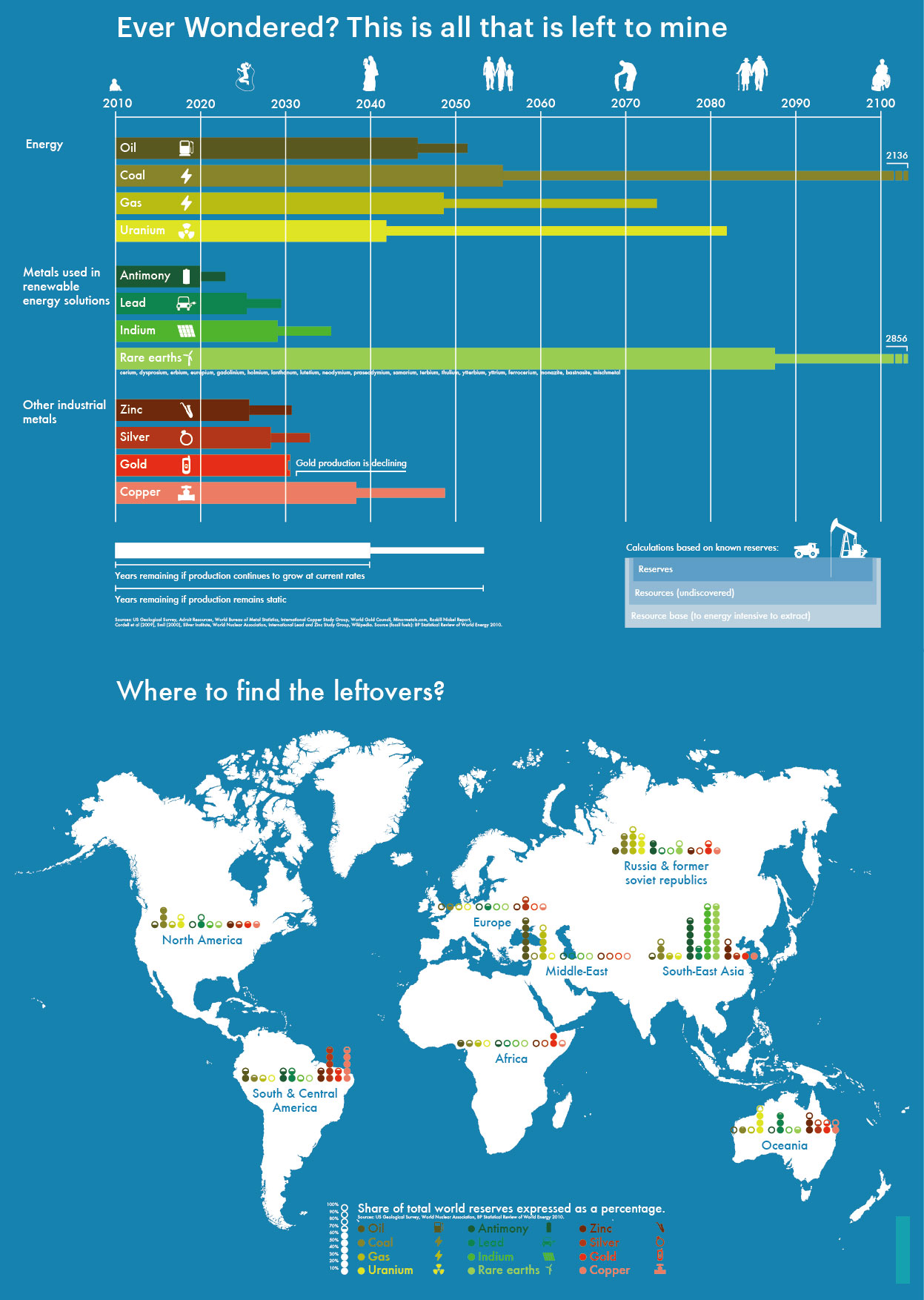
CATCH THE OPPORTUNITY NOW!
Silver’s Biggest Misunderstanding: “There’s Plenty of It”
One of the most damaging myths in investing is the idea that silver is abundant. Yes, silver exists in the Earth’s crust. But economically recoverable silver—silver that can be mined profitably, consistently, and at scale—is a very different concept. Most investors never make this distinction. They hear “silver is common” and assume:
- supply can increase easily,
- shortages are unlikely,
- prices are naturally capped.
That assumption ignores how silver actually enters the global economy.
Silver Is Not Mined the Way Most People Think
Here is the single most important fact about silver supply—one that changes everything:
Silver is rarely mined for silver itself.
More than 70% of global silver production comes as a byproduct of mining other metals such as copper, lead, and zinc.
This has enormous implications.
It means silver supply is:
- not price-responsive,
- not flexible,
- not scalable on demand.
If silver prices rise sharply, miners do not automatically produce more silver—because their core economics depend on other metals.
Table 1: Why Silver Supply Is Structurally Inflexible
| Factor | Impact on Supply |
|---|---|
| Mostly byproduct mining | Silver output tied to other metals |
| Long mine development cycles | 10–20 years to bring new supply |
| Declining ore grades | Less silver per ton mined |
| Environmental regulation | Slower approvals, higher costs |
| Geopolitical risk | Supply disruption potential |
This is not a temporary issue. It is structural.
CATCH THE OPPORTUNITY NOW!
Demand, On the Other Hand, Is Anything But Flexible
While supply struggles to respond, demand is doing the opposite. Silver demand is being driven by forces that are:
- global,
- policy-backed,
- and non-negotiable.
Silver is not a “nice-to-have” metal.
It is functionally essential.
Modern civilization depends on silver’s unique physical properties—especially its unmatched electrical conductivity.
As the world electrifies, digitizes, and decentralizes energy, silver demand doesn’t slow down. It accelerates.
The Industrial Consumption Trap
Silver differs from gold in a crucial way: Gold is mostly stored. Silver is mostly consumed.
When silver is used in:
- solar panels,
- EVs,
- electronics,
- medical equipment,
it is often used in tiny quantities spread across billions of units. Recovering that silver later is technically possible—but economically irrational. Once consumed, silver is often lost permanently.
This creates a dangerous feedback loop:
- demand rises,
- supply struggles,
- above-ground inventories shrink,
- future shortages become more likely.
CATCH THE OPPORTUNITY NOW!
The Green Energy Push Is Silver-Intensive (Whether Policymakers Like It or Not)
One of the biggest drivers of future silver demand is also one of the least discussed. Green energy. Solar power, electric vehicles, grid upgrades, energy storage—every one of these technologies depends on silver.
Table 2: Green Technology and Silver Dependency
| Technology | Silver Usage Trend |
|---|---|
| Solar panels | High and rising |
| Electric vehicles | 2–3× ICE vehicles |
| Power grids | Increasing |
| Charging infrastructure | Silver-dependent |
| Energy storage systems | Growing demand |
Here’s the paradox:
Governments are aggressively pushing green policies without securing long-term silver supply. Markets eventually resolve contradictions like this—not politically, but economically. Through price.
CATCH THE OPPORTUNITY NOW!
Why Supply Deficits Matter More Than Headlines
In recent years, silver has entered recurring annual supply deficits. This means total demand exceeds total new production.
Deficits are filled by:
- existing stockpiles,
- ETFs,
- government reserves,
- recycled silver.
But these sources are finite. Every year of deficit reduces the margin of safety. Markets can ignore deficits for a while. They cannot ignore them forever.
CATCH THE OPPORTUNITY NOW!
The Critical Point: When Inventories Become Psychological Triggers
Shortages don’t become obvious when metal “runs out.”
They become obvious when confidence disappears.
Manufacturers don’t need zero supply to panic.
They panic when delivery becomes uncertain.
Investors don’t need official announcements.
They react when availability feels fragile.
This is where psychology overtakes data.
Table 3: The Typical Commodity Scarcity Cycle
| Stage | Market Behavior |
|---|---|
| Early imbalance | Ignored |
| Persistent deficits | Debated |
| Inventory decline | Quiet accumulation |
| Supply uncertainty | Panic buying |
| Crisis recognition | Explosive repricing |
Silver today sits between persistent deficits and inventory stress.
That is the zone where smart money starts paying attention.
CATCH THE OPPORTUNITY NOW!
Why Silver Prices Haven’t “Exploded” Yet
If silver is so essential, why hasn’t the price already reflected this?
Because markets don’t price future certainty—they price current belief.
Right now, the dominant belief is:
- supply issues are manageable,
- substitution will solve problems,
- silver is not strategically scarce.
Beliefs persist until reality forces change.
And belief shifts are rarely gradual.
They tend to happen suddenly, violently, and emotionally.
The Role of Paper Silver in Masking Scarcity
Another factor delaying visible stress is the existence of paper silver.
Futures contracts, ETFs, derivatives, and unallocated accounts represent claims on silver—not necessarily physical metal ready for delivery.
Under normal conditions, this system works.
But when physical demand rises:
- delivery delays increase,
- premiums rise,
- confidence erodes.
Silver’s paper market is large relative to its physical market, which amplifies volatility during stress.
A small shift in delivery demand can cause outsized price moves.
CATCH THE OPPORTUNITY NOW!
Why Substitution Is Not a Real Solution (Yet)
Some argue that technology will replace silver.
In theory, yes.
In practice, not at scale—and not cheaply.
Silver alternatives:
- conduct electricity worse,
- reduce efficiency,
- increase heat,
- lower reliability.
In industries like solar and EVs, even minor efficiency losses translate into massive cost increases.
Manufacturers don’t choose silver out of habit.
They choose it because performance matters more than price.
That makes silver demand stubborn—especially in critical applications.
CATCH THE OPPORTUNITY NOW!
Investor Psychology: Why Most Traders Will Be Late
Most market participants are reactive.
They wait for:
- confirmation,
- consensus,
- headlines.
By the time silver shortages dominate financial news:
- inventories will already be tight,
- prices will already be moving,
- volatility will already be elevated.
Late entrants don’t get opportunity.
They get risk.
Smart traders position when:
- narratives feel boring,
- conviction feels uncomfortable,
- data contradicts headlines.
- Silver fits that profile today.
Scarcity Changes Market Behavior—Not Just Price
When scarcity becomes real, behavior shifts across the entire ecosystem:
- Manufacturers hoard supply
- Long-term contracts get locked in
- Governments classify metals as “strategic”
- Investors rush to secure exposure
- Volatility increases dramatically
Prices don’t just rise.
They become unstable.
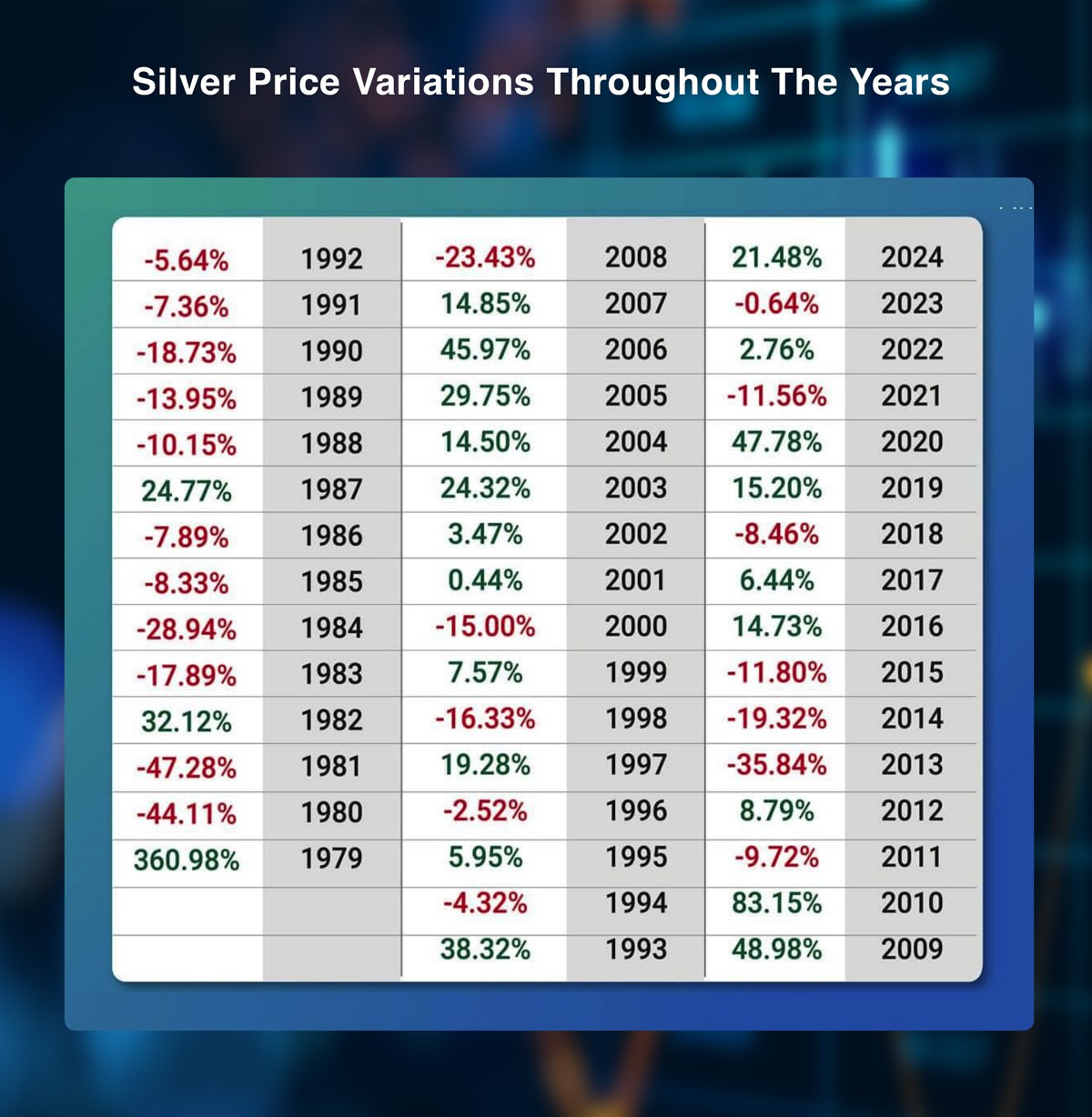
Silver’s relatively small market size magnifies these effects.
Why Timing Matters More Than Precision
No trader catches exact bottoms or tops.
The goal is not perfection.
The goal is positioning.
Understanding the silver supply crisis early allows traders to:
- avoid emotional decision-making,
- manage risk proactively,
- recognize trend transitions,
- and exploit volatility rather than fear it.
Waiting for certainty removes edge.
Silver as an Asymmetric Trade Setup
From a risk perspective, silver presents an unusual profile:
- Downside is limited by production costs and industrial demand
- Upside is driven by panic, scarcity, and financialization
- Asymmetry like this is rare—and rarely obvious at the start.
That’s why it’s ignored until it’s too late.
CATCH THE OPPORTUNITY NOW!
Why Smart Traders Are Watching Quietly
Institutional traders don’t announce positions early.
They observe:
- inventory trends,
- delivery delays,
- demand data,
- pricing anomalies.
When these signals align, positioning begins—often long before price confirms.
Retail attention comes later.
Why This Matters for TradersSpace Readers
At TradersSpace, we focus on:
- structure over noise,
- data over opinion,
- behavior over hype.
Silver’s supply crisis is not a single event.
It’s a developing imbalance.
Imbalances are where trends are born.
Understanding them early doesn’t guarantee profit—but it dramatically improves probability.
CATCH THE OPPORTUNITY NOW!
Final Thought: The Market Doesn’t Warn—It Reprices
Markets rarely announce transitions in advance. They don’t issue alerts when supply tightens. They don’t wait for consensus. They reprice—suddenly and decisively.
Silver is not “running out” tomorrow. But the conditions for scarcity are forming today. And history shows that when essential resources cross that threshold, the move is never slow—and never forgiving to the unprepared. The real question is not: “When will silver run out?” The real question is: “Will you recognize the shift before the market forces you to?”